What Happens If All of Your Beneficiaries Die Before You?
Quick answer · Applies to Ireland
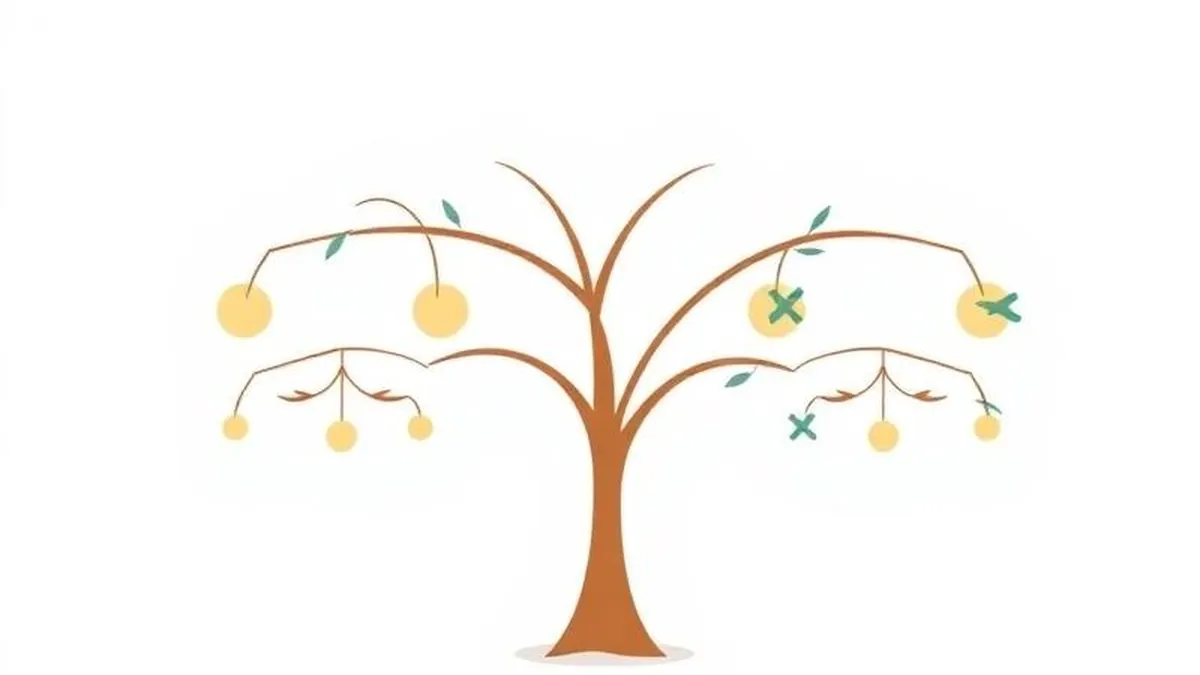
If every beneficiary dies before you, the gift can fail and that part of your estate may be shared under intestacy rules instead. Naming backup (substitute) beneficiaries in your will keeps your wishes intact.
When creating a will, most people focus on who should inherit their assets — their spouse, children, relatives, or close friends. But there is one important scenario that is often overlooked:
What happens if all of your named beneficiaries die before you do?
While it may seem unlikely, it is a situation that can and does occur. Planning for it ensures that your estate is still distributed according to your wishes.
Why This Scenario Matters
Life is unpredictable. People may pass away unexpectedly, or a will may remain unchanged for many years. If every beneficiary named in your will dies before you, and no backup plan exists, it can create complications for your estate.
What Can Happen If There Are No Backup Beneficiaries
If all the beneficiaries named in a will have died and no alternative beneficiaries are specified, the estate may be distributed under intestacy rules. These rules follow a strict legal order of relatives and may result in assets going to people you never intended to benefit.
In some cases, if no eligible relatives can be found, the estate could ultimately pass to the State.
How to Prevent This Problem
1. Name substitute beneficiaries — A substitute (or contingent) beneficiary is someone who inherits if your primary beneficiary has already died. For example: "I leave my estate to my brother John, but if he predeceases me, then to my niece Sarah."
2. Include a residual clause — A residual clause distributes anything that has not already been specifically gifted in your will.
3. Review your will regularly — Life changes — families grow, relationships evolve, and people pass away. Reviewing your will every few years helps ensure it still reflects your wishes.
Planning for the Unexpected
A well-prepared will doesn't just plan for the most likely outcome — it also plans for the unexpected.